
Specialist Mats for Commercial & Industrial Use
Specialist mats on a phs rental service contract for ESD protection, chemical resistance, high temperatures, and specific industrial environments.

Some of the data collected by this provider is for the purposes of personalization and measuring advertising effectiveness. The provider may use the IP Addresses for ads measurement and ads personalization.
Some of the data collected by this provider is for the purposes of personalization and measuring advertising effectiveness. The provider may use the IP Addresses for ads measurement and ads personalization.
Some of the data collected by this provider is for the purposes of personalization and measuring advertising effectiveness. The provider may use the IP Addresses for ads measurement and ads personalization.
Standard commercial mats are not appropriate for all environments. Specialist matting is engineered for specific hazards or performance requirements that standard rubber or foam mats cannot meet.
Electrostatic discharge (ESD) mats are used in electronics manufacturing, laboratory, and IT environments where electrostatic charge could damage sensitive components or create fire and explosion risks. ESD mats are made from conductive or dissipative compounds with a defined surface resistance. They must be connected to earth via a grounding cord and used alongside other ESD control measures, grounding wrist straps, ionisers, and ESD-safe footwear, as part of a complete ESD protection programme.
In chemical handling, laboratory, and industrial processing environments, standard rubber mats degrade when exposed to oils, solvents, acids, and alkalis. Chemical-resistant mats are produced from materials such as nitrile rubber, neoprene, or PVC compounds that maintain their physical properties under chemical exposure. Specify the mat material based on the specific chemicals present, no single compound is resistant to all chemicals.
Welding, foundry, and high-temperature processing environments require mats that will not melt, deform, or release toxic compounds at elevated temperatures. Specialist high-temperature mats use materials such as silicone or mineral-fibre composites rated to the temperatures present in the work environment.
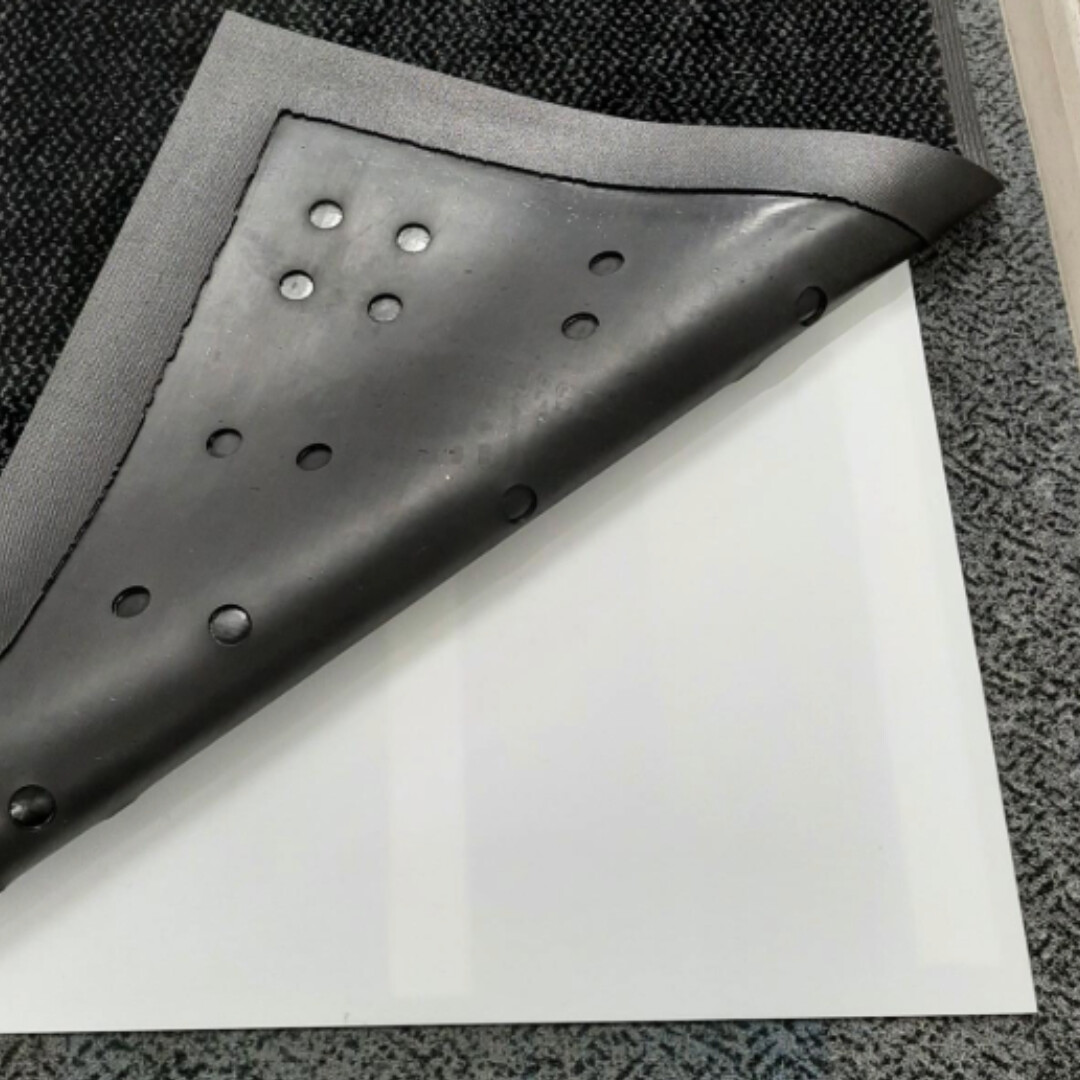
Tacky mats (adhesive-surface mats) are used at the entrance to cleanrooms and controlled environments to remove particles from shoe soles before entry. Each sheet removes particles from footwear; when the top sheet is saturated with soil it is peeled off to reveal a fresh adhesive surface beneath. Tacky mat frames keep the mat positioned correctly at the cleanroom entrance.
All phs mats are supplied on a rental service contract rather than sold outright. The service includes mat supply, regular laundering and replacement on a scheduled cycle, and swap-out if a mat becomes damaged or worn. Renting mats eliminates the capital cost, the laundering overhead, and the decision of when to replace mats that have passed their useful life.
A phs mat rental contract typically covers weekly or fortnightly exchange depending on footfall and soil load, with clean replacement mats delivered and soiled mats collected at each visit. Entrance and workplace matting stays consistently presentable without any internal resource requirement.